
Most homeowners expect summer to bring a little more mess into the house. What many people do not expect is how quickly dust and debris start spreading through every room once routines become busier. Floors feel gritty faster, furniture collects dust sooner, and homes suddenly seem harder to keep comfortable.
The difficult part is that summer buildup happens gradually. A few trips outside, damp towels tossed onto furniture, open doors throughout the day, and extra activity around the house slowly change how quickly dirt spreads indoors.
Many homeowners try to solve the issue by cleaning more aggressively once the house already feels overwhelming. Usually, the better solution is slowing the buildup down before it spreads through the entire home.
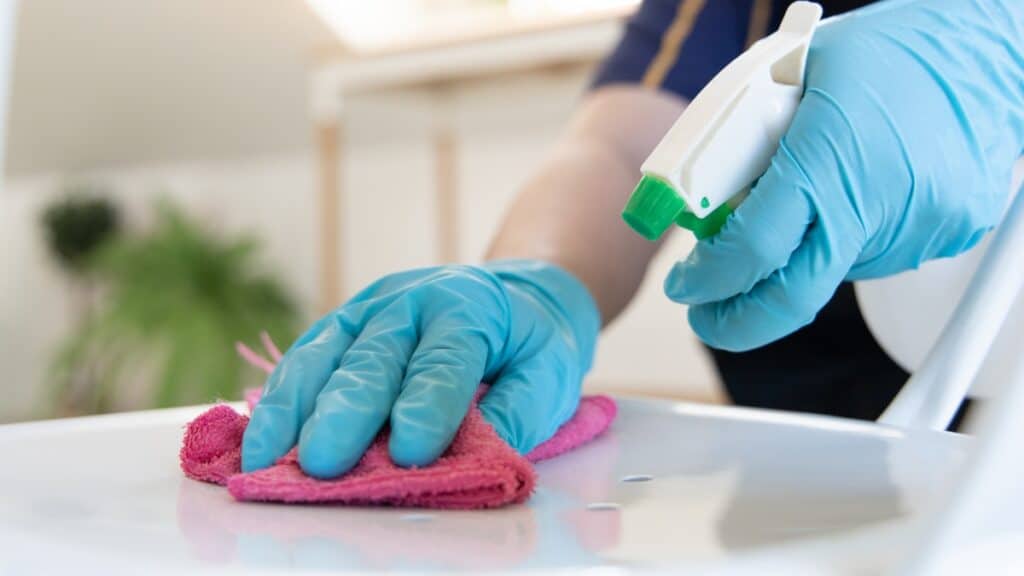
Why Summer Dust Behaves Differently Indoors
One thing most people do not realize is that summer dust is often finer and lighter than winter debris. During colder months, heavier dirt usually stays near entryways because boots and jackets create obvious stopping points. Summer particles like pollen, grass, dry soil, and sand spread much farther because people move constantly between indoor and outdoor spaces.
Humidity changes how surfaces collect dust too. Moisture in the air helps airborne particles cling more easily to flooring, furniture, vents, and ceiling fans. That thin layer many homeowners notice forming on surfaces during summer is usually a combination of dust, body oils, and humidity settling together.
Soft surfaces quietly absorb much of the buildup as well. Rugs, upholstered furniture, curtains, and bedding trap allergens, pet hair, sunscreen residue, and dust throughout the season long before they visibly look dirty.
Another overlooked issue is airflow. Air conditioning systems run much longer during warmer months, continuously circulating fine dust through vents and shared spaces. Dirty air filters and dusty return vents often make homes feel dusty again shortly after cleaning.
The Areas That Usually Collect the Most Buildup
Entryways almost always become the busiest areas of the house during summer months. Shoes, sports equipment, backpacks, towels, and outdoor items pile up quickly before dirt spreads deeper into nearby rooms.
One practical adjustment that helps more than most people expect is replacing thick decorative mats with washable runners during summer. Decorative mats trap fine debris deep inside the fibers, while washable runners can be cleaned quickly before buildup spreads through the home.
Living rooms quietly collect a surprising amount of dust too. Upholstered furniture constantly traps particles released by movement, pets, blankets, and airflow throughout the day.
Kitchens also become difficult to maintain once everyone spends more time at home during the day. Most homeowners notice crumbs first, but repeated touching is usually the larger issue. Refrigerator handles, cabinet fronts, and faucets collect sticky residue much faster during active summer schedules.
Bathrooms quietly become problem areas as well. Damp towels and increased shower use raise humidity levels quickly, especially in smaller bathrooms with poor ventilation. Musty smells often develop before visible mildew appears around vents or grout lines.
Cleaning Habits That Actually Reduce Summer Dust
The most effective summer cleaning routines are usually the easiest ones to repeat consistently. Complicated schedules often fail once routines become unpredictable.
One useful strategy is focusing on “high-impact areas” instead of trying to clean every room constantly. Keeping entryways, kitchens, and shared living spaces under control usually makes the entire house feel cleaner overall.
Vacuuming technique matters more than many homeowners realize too. Fast back-and-forth vacuum passes mainly remove visible debris while fine grit stays trapped deep inside carpet fibers. Slow overlapping rows remove significantly more particles and help flooring stay cleaner longer.
For homes already dealing with heavy buildup, starting with a more detailed cleaning reset often makes regular upkeep easier afterward. Dust trapped behind furniture, along baseboards, and inside vents continues circulating through the house even after visible surfaces look clean.
Another overlooked habit is doing short evening resets instead of waiting for one major cleaning day later in the week. Spending ten focused minutes resetting shared spaces usually prevents hours of catch-up cleaning later.
Why Consistent Maintenance Makes a Bigger Difference Than Deep Resets
Most homeowners fall behind because they wait until the house feels chaotic before trying to fully reset it. Smaller consistent habits usually work much better than exhausting weekend cleaning marathons.
Most people also underestimate how much visual clutter affects how clean a home feels. Shoes, chargers, towels, water bottles, and random summer items scattered around shared spaces make homes feel dirtier even when surfaces are technically clean.
Recurring maintenance cleaning can also help reduce how quickly dust and clutter spread during especially active seasons. Smaller recurring cleanings usually keep homes easier to manage because buildup is controlled before it becomes overwhelming.
FAQ
Why does my home get dustier during summer?
Summer creates more indoor-outdoor movement, which spreads fine particles like pollen, grass, sand, and dry dust through shared spaces much faster than most homeowners realize.
What rooms usually collect the most summer dust?
Entryways, living rooms, kitchens, and bedrooms usually collect the most buildup because they experience the most movement and airflow throughout the day.
Why do surfaces feel dusty again so quickly after cleaning?
Air conditioning systems, ceiling fans, vents, and fabric surfaces continue circulating fine particles through the home even after visible cleaning is finished.
How often should carpets be vacuumed during summer months?
High-traffic carpeted areas often benefit from vacuuming several times per week during busy seasons. Slow overlapping vacuum passes remove more fine debris than quick surface cleaning.
Is deep cleaning useful before summer starts?
Yes. Starting summer with a detailed cleaning removes hidden dust, allergens, and buildup before increased household activity spreads debris further through the home.
What is the easiest way to reduce summer clutter?
Creating simple daily reset routines and designated drop zones usually makes the biggest difference. Small habits prevent clutter from spreading throughout the house.
Summer activity naturally changes how quickly dust and buildup move through the home. Small adjustments made early in the season usually make cleaning routines far easier to maintain once schedules become busier. JW Cleaning shares more practical home cleaning insights.
